The proposed high-speed rail corridor connecting Bengaluru, Belagavi, and Mumbai has gained renewed momentum following discussions linked to the Union Budget 2026–27, with stakeholders highlighting its potential to significantly benefit North Karnataka.
The proposed corridor aims to enhance connectivity between Karnataka’s capital, key northern districts, and Maharashtra’s financial hub. If implemented, the project is expected to reduce travel time substantially, strengthen regional trade, and improve access to employment and business opportunities.
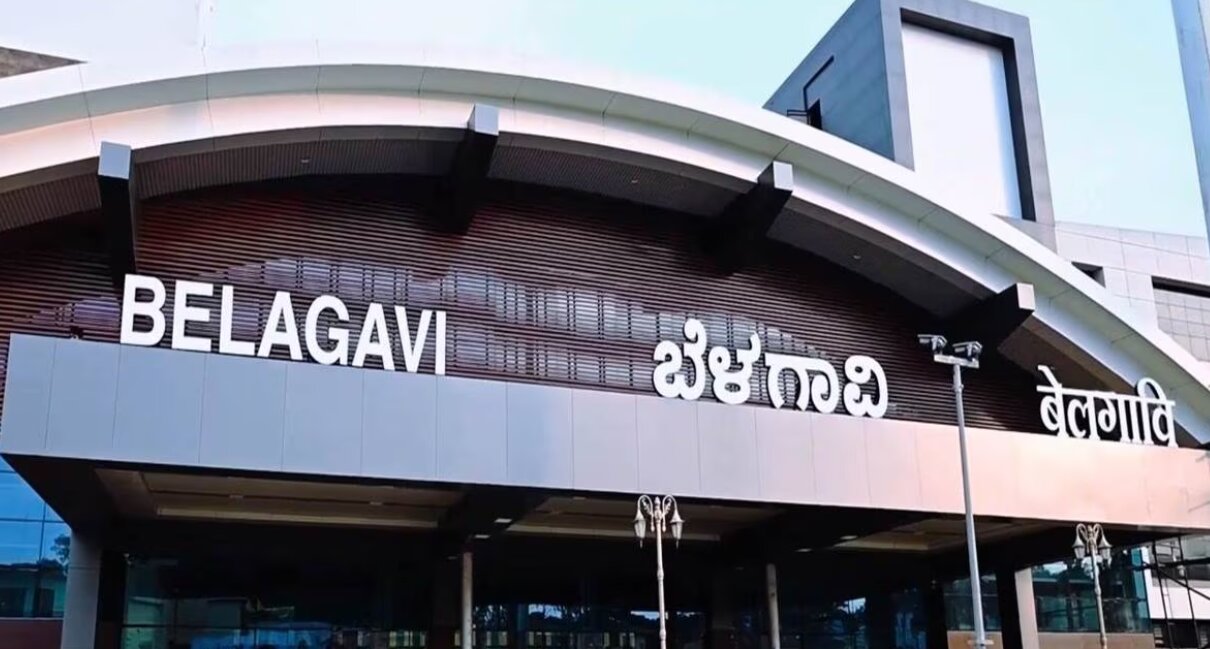
Officials and regional representatives have reiterated the importance of including Belagavi as a major stop in the proposed high-speed alignment. The move is seen as a strategic step to promote balanced regional development, particularly for North Karnataka, which has long sought improved infrastructure and faster connectivity to major economic centres.
The proposal comes amid India’s broader push for high-speed rail expansion, following progress on the Mumbai–Ahmedabad bullet train project. Policymakers believe that expanding high-speed corridors to additional regions can stimulate industrial growth, tourism, and investment inflows.
Infrastructure experts note that improved rail connectivity between Bengaluru and Mumbai via Belagavi would enhance logistics efficiency and support sectors such as manufacturing, technology, and services. It may also ease pressure on existing road and conventional rail networks.
While the proposal is still at a discussion and feasibility stage, political leaders from the region have expressed optimism that it could receive formal approval in the coming phases of national infrastructure planning.
Further clarity on route alignment, funding mechanisms, and timelines is expected as consultations continue.