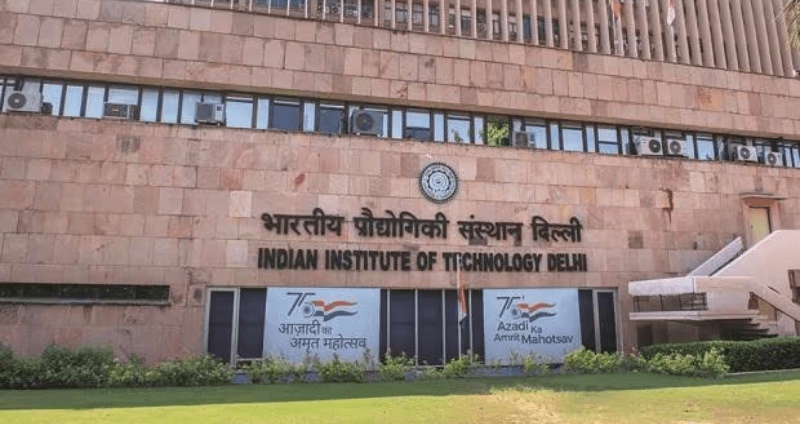
New Delhi: In a significant innovation aimed at tackling rising temperatures and soaring electricity demand, Indian Institute of Technology Delhi (IIT Delhi) is developing a high-efficiency smart air conditioner that can reduce power consumption by nearly 33 percent compared to conventional AC systems.
The prototype is currently undergoing laboratory testing and is designed to deliver the same level of indoor comfort while consuming substantially less electricity.
Cooling Demand Set to Surge
With extreme heat becoming more frequent, air conditioners are increasingly essential in homes and offices. However, higher usage is placing growing pressure on the power grid.
As per the India Cooling Action Plan released by the Ministry of Environment, Forest and Climate Change, electricity demand for cooling could triple by 2037–38, raising concerns about energy security, natural resource strain, and higher electricity bills.
To address this looming challenge, IIT Delhi researchers are working on an innovative, sustainable cooling technology.
What Makes This Smart AC Different?
Conventional air conditioners rely on vapor-compression technology that cools air below the required temperature to remove moisture through condensation — a process that consumes large amounts of electricity.
The IIT Delhi system introduces a hybrid cooling approach using a salt-based desiccant solution to directly absorb humidity from the air. A specially designed thin membrane ensures that the salt solution does not mix with indoor air.
When the solution becomes diluted after absorbing moisture, it is regenerated using the waste heat released from the outdoor unit, eliminating the need for additional energy input.
This innovative design significantly lowers overall energy consumption while maintaining effective cooling performance.
Research Team and Technical Breakthrough
The project is led by Prof. Anurag Goel from IIT Delhi’s Mechanical Engineering Department, along with doctoral researcher Anantakrishnan.
The team has developed a compact add-on module that ensures optimal energy balance between the conventional vapor-compression unit and the desiccant module, especially under varying Indian climatic conditions.
Energy Consumption Comparison
- Standard AC system: Approx. 1,200 watts
- IIT Delhi hybrid system: Approx. 800 watts
- Energy savings: Around 33%
According to Prof. Goel, the hybrid system achieves similar indoor comfort standards while significantly cutting down electricity usage.
Published Research and Future Potential
The study detailing this high-efficiency cooling system has been published in the Journal of Building Engineering, reinforcing its technical credibility.
Researchers believe that if commercialised, this smart AC technology could play a major role in reducing India’s cooling-related power demand, lowering electricity bills, and supporting climate-friendly infrastructure development.
The innovation represents a promising step toward sustainable and energy-efficient cooling solutions for the future.